On Lady Bird and the Need for Regular Black Folks
I really wanted to love Lady Bird. The film has been described as a “portrait of youth”, “modest, miraculous [...and] universal,” but when I watched it, just one day after it won Best Film at the Golden Globes, I was left underwhelmed. Don’t get me wrong--Lady Bird has a beautiful aesthetic. Saoirse Ronan with her pink hair and blissful ignorance portrays the quintessential “interesting” white teen. The supporting characters are simple, accented by funny one liners (Timothee Chalamet’s nonchalant “that’s hella tight” sticks out) and reflect the parts of herself Lady Bird desires to erase or augment. But the plot of the film, stripped of its early-2000s nostalgia and warm tones, is your cookie-cutter coming-of-age story. Nothing spectacular or especially original, but it’s packaged in quirky, pretty white bodies, so it’s “relatable.” After watching Lady Bird, I tried and failed to convince myself of its brilliance, to notice nuances I may have missed in Greta Gerwig’s writing and direction. And then it occurred to me, later than I’d like to admit, that Lady Bird simply was not made to speak to my experience.
I do not fit the target demographic of a film about a misunderstood white woman who goes to the Big Apple in search of herself. Ironically, I am a student at the college the titular character throws her parents into debt to attend. I have met many Lady Birds. And I don’t care to meet more.
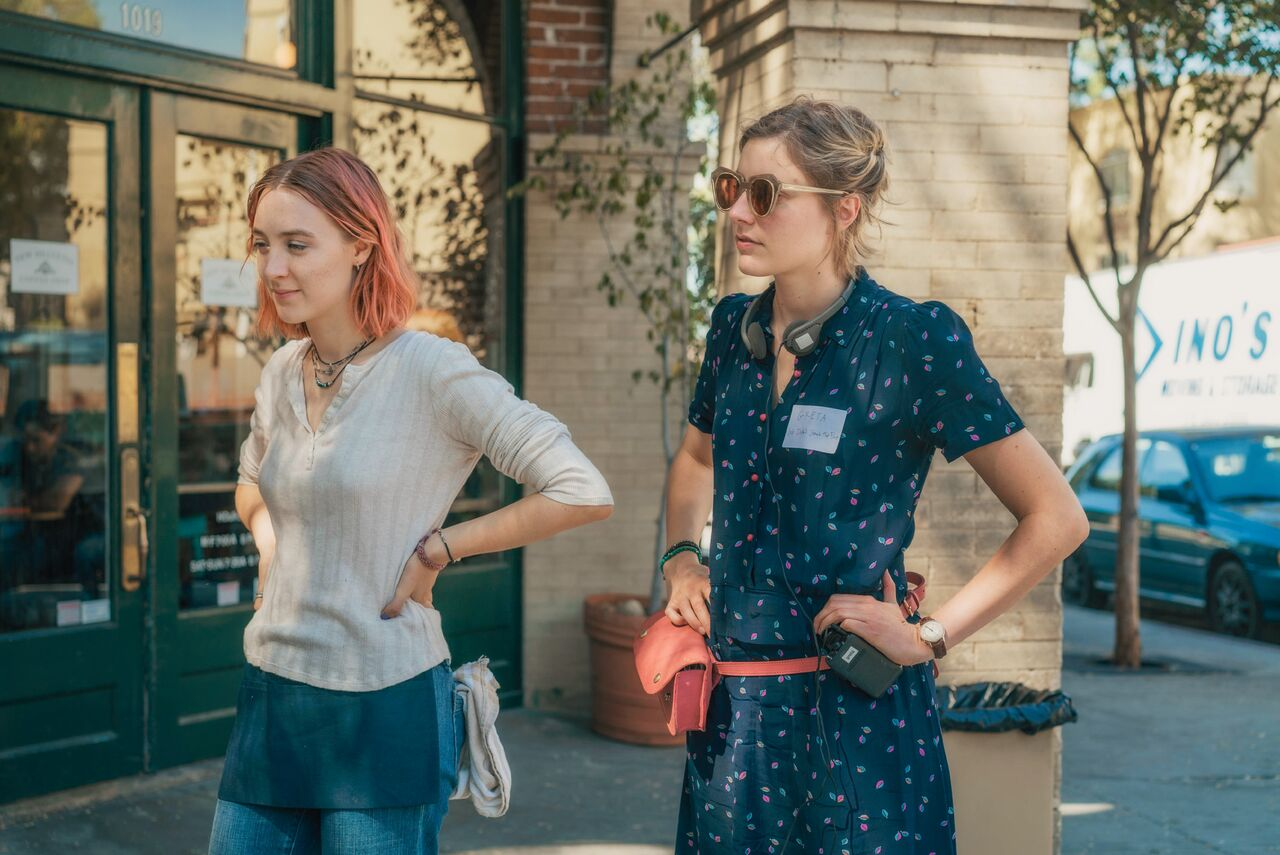
I have grown up on the "universal" stories of white folks. I know the tales of white men finding themselves in the isolation of the woods, whaling ships, lost in big cities or space or fantasy worlds. This is not without variation, of course. Sometimes the white man is a white woman, and if they love someone who isn’t white, straight, or both, their narratives are left to subtext. These stories are far from the reality I live every day, painted on a different canvas than the portrait of my youth. I’m not used to seeing myself in print or on screen in any way that is separate from racism or an overlapping form of oppression. This is the reality of my existence as a black woman, and with content like Black Panther and Ava DuVernay’s adaptation of A Wrinkle in Time, I’ll see my people as warriors and fantasy heroes. It’s hard, though, because as comforting as these little markers of progress are, they're only salve to wounds reopened every time the land of our ancestors is called a “shithole” or the murder of a black lesbian is unreported.
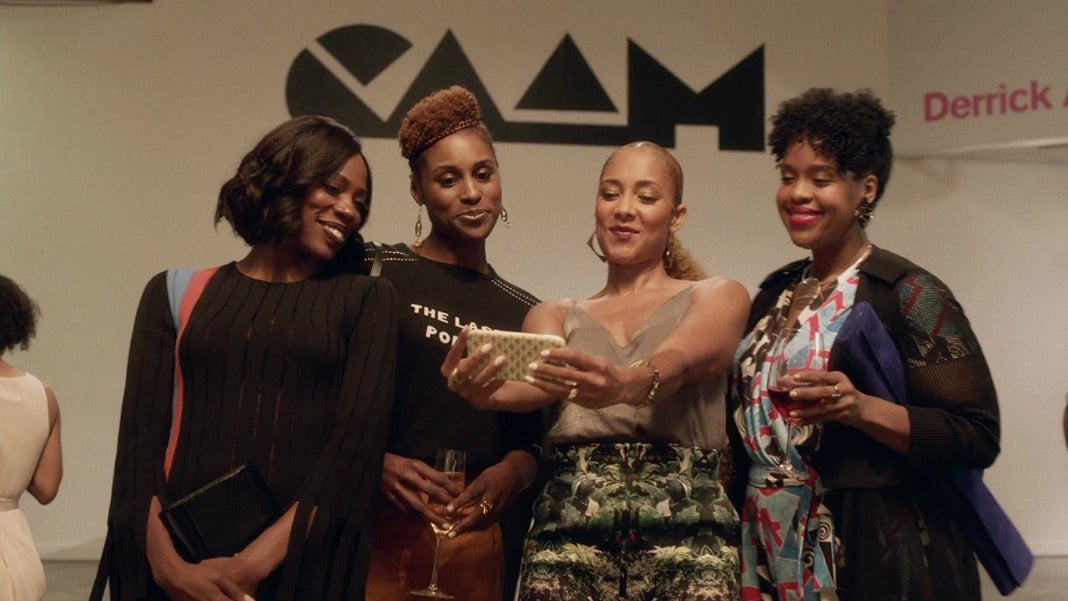
What makes me feel better than any movie about black struggle or triumph, is something relatable on the base level of black people just living life. Being humans who get bad haircuts or chill with their friends on stoops without the weight of being their ancestors’ wildest dreams there to suffocate their own aspirations. This is why I love Issa Rae’s Insecure. Why I nearly cried when I learned that Donald Glover’s Atlanta returns for its second season while I’ll be abroad. Why I am so pleased with Grown-ish. The day-to-day stories of black folks, of people of color, without the interference of white eyes or voices is living water in these days of overtly racist presidents and neoliberal hypocrisy. And the yearning for normal, trauma-free content goes beyond pasting black faces on traditionally white narratives. Making a black version of Friends isn’t the answer (though a discussion on the erasure of Living Single regarding Friends’ success deserves an essay of its own) and neither is ignoring the horrors of slavery and its aftermath. What I want is balance. More shows and movies and books that illuminate bodies of color in ways that don’t include bruises or bondage or politics as their most salient points.

Comments
Post a Comment